From Scroll to Sale — The Psychology You Didn’t Notice
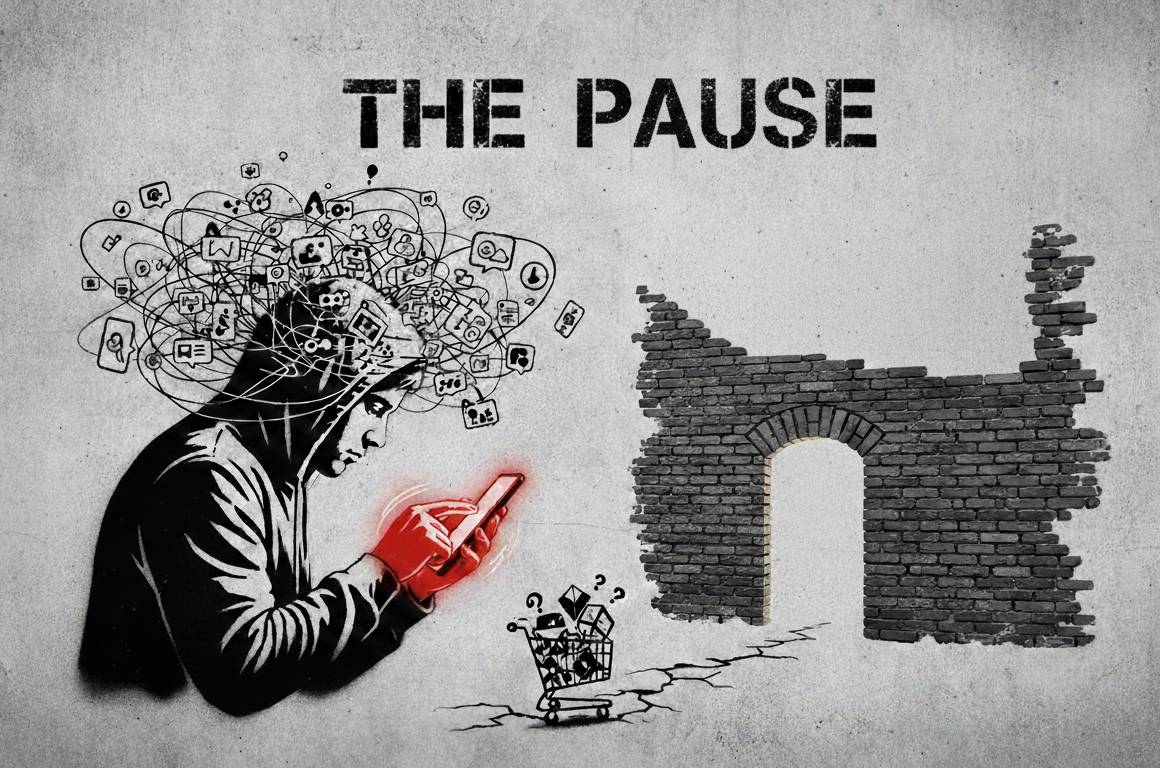
People shopping online these days usually just skim. They don't really browse slowly like they used to.Instead of taking our time with careful clicks we now just flick our thumbs and our attention jumps all over the place thanks to dozens of tabs, apps and notifications calling for it. For online brands the real tough part isn't getting people to their site or getting the prices right. It's all about psychology. You've got to grab their attention right away. Think about what will make them pause when they're just zipping through stuff – something unexpected maybe a question that makes them think or even a really striking image. The trick is to give them a reason to actually stop and look not just keep swiping past. It's a real challenge figuring out how to give people that same sure feeling they get from actually touching something when all they're doing is looking at it online or in a presentation. It's a really good question. Reducing doubt when you don't have a shop front or a person to chat with face-to-face can feel tricky. One of the simplest ways is to just be super clear about everything you offer. Make sure your website is easy to use and has all the information people might need like really precise product descriptions, good quality images and maybe even some videos showing things in action. Think about what questions you'd ask if you were the customer, and then answer them on your site. Building trust is key. Getting reviews from happy customers helps a ton. When people see that others have had a positive experience, it really eases their minds. You could also offer a really simple return policy, that always helps put people at ease knowing there's no risk. Another idea is to be very approachable online, using social media to chat with people and answer questions quickly. This personal touch, even if it's digital, can go a long way in making people confident in what you do.It's clear that brands are starting to get it: the solution isn't just about putting out more pictures or writing huge descriptions.It's about better experiences. A great way to make those experiences happen is with interactive 3D pictures of products.
The Psychological Gap Between Online and In-Store Shopping
There's a really interesting psychological difference when you shop online versus when you go to a physical store. Physical retail always had this big thing going for it: certainty. When people are shopping they can just grab something, turn it around, really look at it and right away get answers to their questions about how big it is, if it's good quality or if it will actually work for them. With regular online shopping you just don't have that same guarantee. Still images just try to make up for it but they make customers imagine way too much. "What's it like from the side really? How thick is it? How does it exist in real space?" It's kind of hard to explain but think of it as something that takes up an actual room like a physical thing. That back-and-forth really grinds things to a halt. When it comes to online shopping friction just about always makes people think twice. Interactive product experiences really help people feel more in charge when they're shopping online, which is something they often miss.
Static product images just don't cut it anymore for what buyers expect
Taking pictures of products that just sit there doesn't really grab your attention.They show things, but they don't really make you want to explore them, do they? As a buyer it can really feel like you're stuck when you're trying to make bigger decisions and that lack of engagement from the other side doesn't help. When people can't really check out a product for themselves their minds tend to fill in the blanks and that often leads to them feeling uncertain. "Is this angle hiding something?" It's a good question. Photos can make colors and textures look a bit different than they are in real life. We try our best to get accurate pictures but things like screen settings and lighting can play tricks. So there might be slight variations when you see it up close. That's a question people ask themselves when they're at a crossroads. It's totally normal to feel that uncertainty. We often go through these moments where we second-guess a big decision. Just remember that trying your best is what counts. People are getting used to seeing more on their phones so just a plain picture just doesn't cut it anymore. Interactive visuals they just feel right. It just makes sense with how we already use social media, apps and other online stuff. When people get to interact they stop just looking and start really engaging with what they're buying. When folks can spin a product around, zoom in or even move it it really changes how they shop. Now, they aren't just watching; they're actually getting involved. Getting involved really matters for your feelings because it makes you care more. When you interact with a product you naturally put some of your attention and curiosity into it. They just get slower. They went to check things out. And that deeper engagement makes you feel more connected to the item in your mind. When you use interactive 3Dimages product pages stop being just a bunch of static pictures and become places you can really explore. It really makes shoppers feel like they found the product on their own instead of someone pushing it on them.

How 3D Pictures of Products Make Things Easier to Understand
It's a real brain-drain to buy things online. People are always checking if a product makes sense for what they need, what they expect from it and where they plan to use it. If you've got questions and can't find answers it just makes things harder. Interactive 3D images make things easier to understand. Instead of having to read a long explanation you can just explore the image yourself to get the information you need. It helps to simplify what you're checking out. It's like shoppers just "see" it instead of having to read descriptions or guess about how deep something is. When people don't have to think so hard they make choices faster and feel sure about them. That really helps with how many people end up buying something. The feeling of something being 'yours' kicks in much sooner than most people realize. And one of the biggest psychological tricks in online shopping is when you feel like something is already yours. When people feel like they know a product or they're in charge of how they use it they start to like it even more. Playing around in 3D really speeds things up. When people spin a product around, check out the details and look at it from all sides it starts to feel like it's already theirs even before they pay. This is usually where things get easy for people. Buying it doesn't feel like a gamble. It just feels right like we knew all along.
Transparency Builds Trust Without Saying Anything
Being open and clear really builds trust often more than words ever could. Building trust in e-commerce isn't just about what you say. We built it by being open. When you can really mess around with product visuals it sends a message that a company is being upfront. When brands let customers see every side of a product it really shows they stand behind what they're offering. We put everything out there, no secrets. This really matters for new brands or products that need a bit of explaining. Things like 3Dimages.AI helps e-commerce sellers give customers all this information without needing pricey 3D models or complicated techie stuff. Turning regular product pictures into cool 3D experiences can really build trust for brands. They can do this without having to totally redo all their content. When you can actually see things firsthand it totally changes how you make choices. When people figure things out for themselves they really believe in those conclusions. Letting customers look at a product on their own really makes them feel like they're in charge when they're deciding to buy something. Being able to make your own choices is super important. Instead of feeling like they're being sold something the buyer just feels like they got the lowdown. They feel confident instead of like they're being sold something. 3D product images do a fantastic job of letting the product tell its own story. Ever wonder why people seem to really get into products that let them do stuff? It's pretty straightforward actually. When a product is interactive it just pulls you in more. Instead of just looking you get to play around, try things out and really feel what it's all about. This kind of engagement brings a sense of understanding that simply looking at something can't match. It transforms a passive viewing into an active exploration which makes a big difference. People just stick around longer when there's interesting stuff to check out. Shoppers stick around because they are engaged not because they are confused. Spending more time together makes people feel more comfortable so they don't hold back as much. When people spend more time checking out a product they get more comfortable with it and that comfort often leads to them actually buying it. It turns out that visuals you can interact with actually help with conversions they don't get in the way. They just sort of stand behind it.
Premium Experiences Create Premium Perception
Good experiences make people think highly of something. There's this branding thing that's pretty easy to miss, too. Making things in 3D that people can play with just feels really modern and well-put-together. When people see really good pictures of products they just sort of naturally think the brand is high-quality and knows what it's doing. People's opinions directly impact what they'll pay and how they remember a company later. Using 3Dimages.AI technology means that even small e-commerce sellers can give customers experiences just as good as big companies and they don't have to spend a ton of money on 3D stuff like they used to.

Reducing Returns by Aligning Expectations
When we make sure everyone is on the same page from the start, we can cut down on how often things get sent back. A lot of products get sent back because they ended up being different from what someone thought they were buying.Interactive 3D images help buyers know what to expect right away lowering the chance of misunderstandings. When people really get what a product is all about before they buy it they end up with fewer surprises and a lot less buyer's remorse. This makes customers happier and helps us make more money.
Experience is Becoming Competitive Advantage
With so many online stores and ads costing a fortune what really sets you apart these days is the experience you offer. Products are copyable. We can totally match prices. It's just tough to copy how someone actually "experiences" a product.Interactive 3D imagery is genuinely becoming a necessity.Brands these days are finding it's really becoming the go-to way to build trust make things smoother for people and turn all that attention into something real. Thinking about the whole process from when you first scroll past something to actually buying it is really a mental journey. Each time you buy something it usually starts with a quick glance online but what really gets you from just looking to feeling good about your choice is all in your head. Interactive product experiences help people figure things out turning confusion into clarity. When customers feel in charge know what they're getting and trust what they see 3D product images change casual browsing into a real experience which then turns into them actually buying something. With easy-to-use platforms like 3Dimages.ai this change isn't just for big companies anymore. Anyone selling online who gets that making a sale isn't just about the product itself but about how customers get to interact with it can use this.