They’re Not Paying for the Receipt
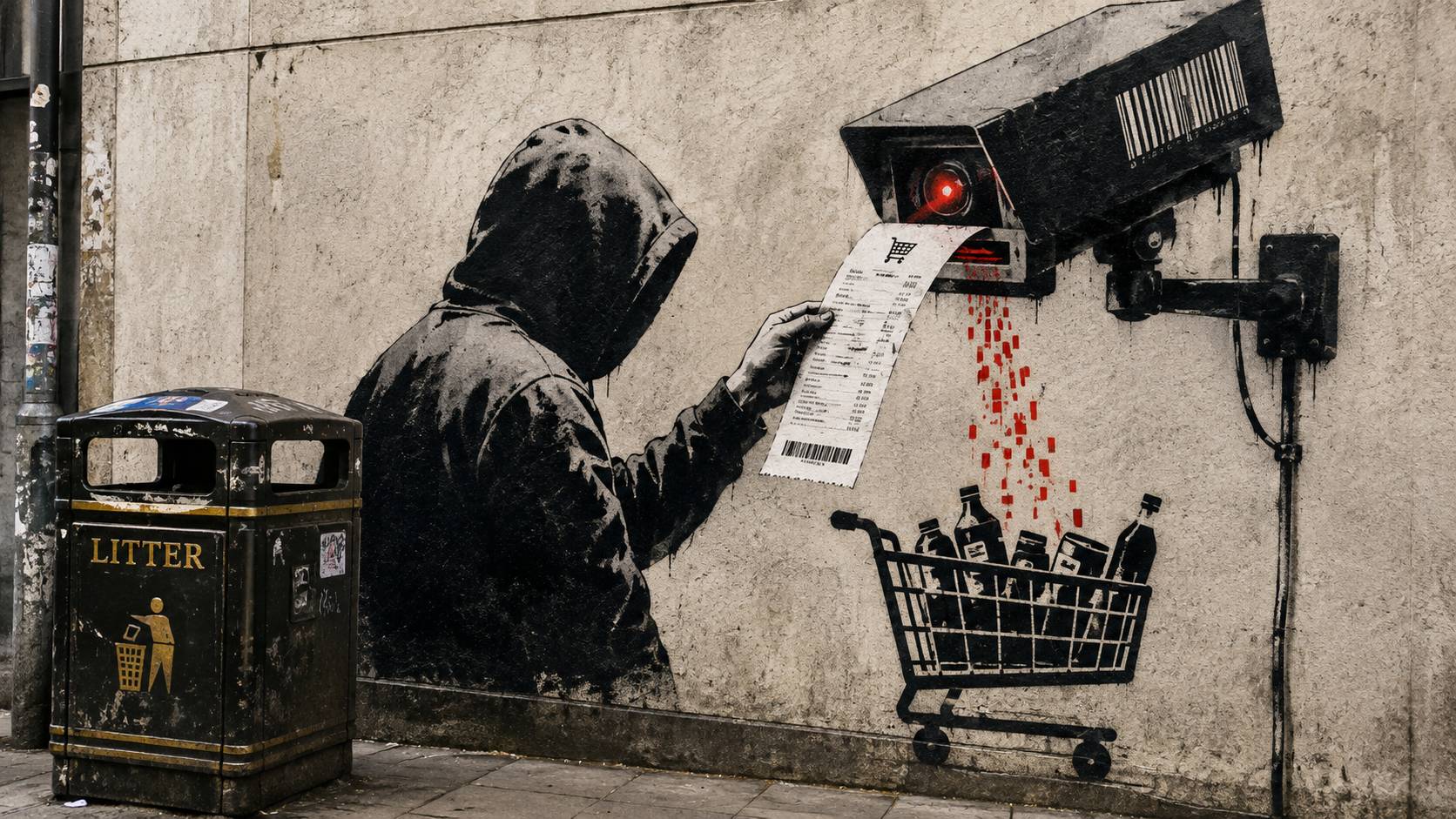
Your grocery receipt holds secrets: every item, brand, quantity and price you paid that day. An online retailer would love to know that. In fact Joybuy – the UK branch of Chinese e-commerce giant JD.com – has started rewarding shoppers just for sharing this information. In summer 2026 Joybuy rolled out its “Snap & Save” program: upload a photo of your supermarket receipt and earn Joybuy loyalty points (roughly 2% of your basket value, up to £1 per receipt). Why would Joybuy pay you for this? It’s not charity – it’s brilliant data collection.
Turning receipts into data
Each scanned receipt becomes a detailed record of a real shopping trip. Modern OCR and AI technology parse the image into structured data: retailer, date/time and a line-by-line item list with quantities and prices. Suddenly Joybuy learns exactly what you buy at Tesco, Asda, Sainsbury’s or Aldi, when and how much you paid. This goes well beyond the usual web cookies; it’s actual first-party consumer behavior data.
With that information Joybuy can do several things:
- Personalize Offers: If your receipt shows you buy a lot of oat milk and granola Joybuy can nudge you with coupons for similar breakfast products on its platform. Imagine buying almond milk at the supermarket and then getting a Joybuy promotion for organic cereals – based on your actual cart. This kind of targeted marketing is more effective because it’s driven by your real purchase history.
- Optimize Pricing and Assortment: By seeing competitors’ prices and promotions on the receipt Joybuy gains a competitive edge. For example if a shopper’s receipt shows a brand of laundry detergent on sale Joybuy might match or beat that price next time. Or if many receipts include a product Joybuy doesn’t stock the company might decide to add it. In effect each receipt is a mini-market report.
- Boost Customer Loyalty: The points you earn create a tie to Joybuy. If you save £1 on a future Joybuy purchase every time you scan a £50 grocery haul you’re more likely to browse or buy on Joybuy. Loyalty programs have a strong track record: studies show program members spend significantly more over time (members can have ~25% higher lifetime value). Joybuy is essentially using your offline habits to build its online customer relationships.
- Inform Supplier Deals: If a lot of Joybuy users buy Brand X yogurt Joybuy could leverage that info with Brand X, maybe negotiating exclusives or better discounts on its platform. Suppliers love having data on customer demand and share – information usually locked inside retailers.
Think of Joybuy’s strategy like this: it’s bypassing traditional data roadblocks. Large supermarkets and brands often guard their sales data. By rewarding you directly Joybuy creates a consented data pipeline. The company itself notes that such systems transform unknown store purchases “into a valuable data point connected to a specific user”. In other industries receipt-scanning rewards are already proven: Fetch Rewards boasts 11 million receipts uploaded daily capturing $152 billion in spending. Fetch then sells targeted ad placements to brands and reports that customers exposed to their offers are 40% more likely to buy again. Joybuy, in effect, is building its own mini Fetch-like data loop.
How Snap & Save works
Practically speaking Snap & Save is simple to use. In the Joybuy app you tap “Snap & Save”, photograph your supermarket receipt and submit it. Within minutes (or hours) the app validates the scan and credits your account with points which you can apply to future Joybuy orders. You can do this up to five times a month. Early marketing pushed “2% back” on each receipt (so a £50 shop earned 100 points = £1) though it later dropped to 0.5% after the trial period. Even at these small rates savvy shoppers can accumulate extra buying power; Joybuy is essentially giving you store credit in exchange for data.
Eligible receipts are from major UK supermarkets (Tesco, Sainsbury’s, Morrisons, Aldi, etc.). The photo must clearly show date, totals and item lines – Joybuy’s OCR engine extracts the details and checks them. Built-in fraud filters likely block blurry or duplicate receipts. This mechanism is similar to other receipt-reward apps: e.g. Ibotta or ReceiptHog where you upload proofs of purchase to get cash back. The difference is Joybuy is doing it to drive its own business rather than to sell the service as a stand-alone app.

The big data payoff
Why is Joybuy willing to give out £1 for that info? Because the data is worth far more. Knowing exactly what you buy offline is like knowing your tastes, budget and brand loyalties. It lets Joybuy tailor its online marketplace to you. For example if the majority of a user’s receipts include one snack brand Joybuy could feature that brand more prominently (or partner on exclusive deals). If a product category (say pet food) appears often Joybuy can run targeted ads or bundle promotions. Over time these personalized actions are likely to significantly boost how much you spend with Joybuy.
Marketing studies back this up. Surveys find that loyal customers – especially those engaged by rewards – spend substantially more than new ones. One report shows loyalty members visit stores 50–90% more often than non-members. And consumers exposed to tailored promotions via these receipt apps are much likelier to become first-time or repeat buyers. In short converting your offline purchases into Joybuy points can drive more of your shopping to Joybuy. The small cost of points may be recouped many times over by increased sales.
There’s also an industry trend at play: as browsers block cookies and privacy tightens retailers increasingly rely on first-party data. We see this in the explosion of retail media networks (e.g. Amazon Ads, Walmart Connect) which monetize shopper data by selling targeted ads. Joybuy’s receipt program is a first-party data play of the same spirit – but using consumers themselves to collect that data.
Privacy and consumer caution
All that said not everyone loves the idea of feeding their shopping data to yet another company. Scanning receipts can feel invasive: your grocery list reveals habits and needs. Legally Joybuy must obtain your consent (which the app does by making Snap & Save opt-in). Under regulations like Europe’s GDPR (or China’s PIPL since JD is Chinese-owned) using purchase data for marketing requires explicit, informed consent. Joybuy should clearly tell users that “we will use your receipt data to personalize offers and improve our services” and only collect what’s necessary.
As consumers it’s wise to weigh the trade-off. You get about £1 back on a £50 spend (2%) which is nice but small. In return Joybuy learns exactly what you bought, when and where. If you’re comfortable with that exchange, fine. If not, you can always forgo the program. Transparency is key: Joybuy must be upfront about data use so shoppers feel secure sharing. According to loyalty experts transparency “builds trust” and is a conversion driver.
There are also practical downsides. Uploading receipts is a bit of a hassle (save the paper, open the app, take a photo). Research notes that unless rewards feel instantaneous or substantial, users drop off. Joybuy will have to keep the process smooth (perhaps offering surprise instant bonuses) to keep people engaged. And of course technical hiccups or fraud filters can frustrate honest users if not finely tuned.
Comparison: other receipt-rewards programs
Joybuy’s move is unusual for an online retailer but it follows in the footsteps of dedicated rewards apps. For example Fetch Rewards in the U.S. lets you scan any grocery receipt for points. Fetch’s pitch is similar: “Earn points for every receipt you share”. Users redeem points for gift cards. Behind the scene, Fetch sells anonymized purchase insights to consumer brands. Ibotta works on the same principle but tied to specific coupons: scan receipts of qualifying products and get cash back (funded by the product makers). There’s also Receipt Hog (run by InfoScout) which pays out small “coins” for any store receipts in exchange for building a consumer panel dataset.
All these programs have one goal: turn receipt images into marketing gold. According to an Axios report sponsored by Fetch their platform processes billions of dollars in purchase data annually and helps brands boost both trial and loyalty. In the UK similar schemes include reward apps and supermarket loyalty cards. Joybuy’s program stands out because it is itself a retailer (albeit an online one) instead of a third-party app.
In practice these receipt programs typically offer modest rewards (a few percent cash back or equivalent). The analytics payoff comes in the aggregate. Fetch claims their system processes 11 million receipts per day capturing $152 billion in spending. While Joybuy’s scale is much smaller the principle is identical. The table below summarizes how Joybuy’s scheme compares to others:

Privacy and compliance
Receiving loyalty points in exchange for data sounds fair only if handled properly. Joybuy must play by the privacy rulebook. Under GDPR (EU/UK law), even though the data is just shopping behavior, it is tied to your identity once in their system. Any use beyond simple account fulfillment (like marketing or profiling) needs separate, explicit consent. Joybuy’s opt-in checkbox during Scan & Save presumably covers this but they should make clear what they do with the info. According to data-privacy experts programs should only collect what’s “needed for functionality and communication” and have transparent notices.
Regulations like China’s PIPL also apply to JD if, say, Joybuy’s system shares data with the parent company. Both GDPR and PIPL impose hefty fines for misuse (up to 4–5% of turnover). In short: Joybuy must secure the images and parsed data (encrypted storage, limited access), only keep it for as long as needed and allow you to delete it if you want. Ideally once they extract the data they would purge the raw photo to minimize risk.
Ethically there is debate. Some see this as savvy marketing; others worry about “selling” their habits. Regulatory and consumer pushback on loyalty-for-data schemes is growing. To stay on the right side Joybuy should highlight user benefits (clear rewards, better deals) and avoid any hidden data-sharing. As loyalty consultants advise: transparency and simplicity build trust. If users understand exactly why scanning their receipt means better offers for them they’ll be more comfortable with the exchange.
Effectiveness and consumer experience
How might shoppers respond? Evidence from other programs is instructive. Research finds that well-structured loyalty incentives do increase spending. For instance, one industry analysis showed loyalty members increased visit frequency dramatically: free members shopped 50–90% more often and paid-tier members could shop 200% more. Members also spent 15–30% more per trip. In Fetch’s case brands saw significant lifts: customers targeted via Fetch offers were 5–15% more likely to become new buyers and 40% more likely to buy again.
That said actual uptake depends on ease and perceived value. Uploading receipts is an extra step; if Joybuy made it cumbersome many might skip it. Marketing experts note that “receipt scanning is a high-effort action” for consumers. Programs that only give slow-accumulating points risk losing users to the friction. Best practice is to make the process seamless and rewarding. Perhaps Joybuy could add gamified elements (e.g. a prize draw for scanned receipts) or instant mini-rewards to keep users engaged.
From a privacy standpoint some customers will simply be uncomfortable sharing receipts. Surveys show people are generally okay sharing basic info (like email) for rewards but become much more hesitant when it comes to full purchase histories. If Joybuy can demonstrate clear value (e.g. “here’s £5 in points from scanning” or “here’s a coupon you’d like”) users may be willing to trade that information. If not, they’ll opt out – meaning Joybuy only gets the data from a subset of shoppers.
Fraud is another concern. People might try scanning the same receipt multiple times or submitting receipts they didn’t actually buy. Joybuy must use image analysis and backend rules to catch duplicates or altered receipts. Many apps do this (for example by watermarking accepted receipts or flagging obvious resubmissions). The technology is sophisticated: modern receipt OCR systems validate totals and check for tampering making fraud difficult at scale. But some small percentage of bad data is inevitable and must be managed.
Overall the effectiveness of Snap & Save will depend on execution. If Joybuy nails the user experience many customers will happily scan for small rewards. Over time, as data flows in, Joybuy can launch smarter campaigns that ideally pay back the company through increased sales.
Strategic takeaways
Joybuy’s receipt-cashback experiment offers lessons for retailers and shoppers alike:
Make it Worthwhile: To entice participation the reward must feel real. Joybuy’s 2% back is in line with industry norms (e.g. many cashback apps offer 1–5%). It could further boost uptake with occasional instant wins or bonus coupons. Programs that provide immediate, transparent benefits tend to retain users.
Communicate Clearly: Customers should know exactly what data they’re giving and why. Joybuy should explain for example: “We’ll use your receipt data to recommend products and save you money and we won’t share your personal information with others.” Studies stress that users are more willing to share their shopping data when they see clear, direct benefits.
Protect Privacy: Joybuy must handle receipt data just like any sensitive personal data. That means encrypted storage, strict access controls and giving users control (opt-out or delete data). It should also consider only keeping anonymized aggregate reports beyond individual use cases. Being proactive here avoids legal headaches.
Leverage Insights Quickly: The data shouldn’t sit unused. Joybuy should integrate receipt insights into its marketing and supply chain teams. If a cluster of users frequently buys spaghetti on sale at Sainsbury’s Joybuy could feature a pasta promotion next week. If certain brands dominate baskets ensure those are well-stocked on Joybuy. Acting on data keeps the program’s value high.
For Consumers: If you’re a shopper Snap & Save is a net positive if you like the rewards and trust Joybuy’s data use. It’s basically getting a discount on your groceries later. But remember you’re trading away detailed info on your purchases. If you’re privacy-conscious or concerned about data use proceed carefully. Always read the privacy fine print and consider whether the few pounds you earn is worth revealing your shopping habits.